River Cruising Is Safe
Why a river cruise is one of the calmest ways to travel — and the few things worth planning for.
Get Free River Cruise QuotesA Quiet Kind of Travel, and Why That Matters
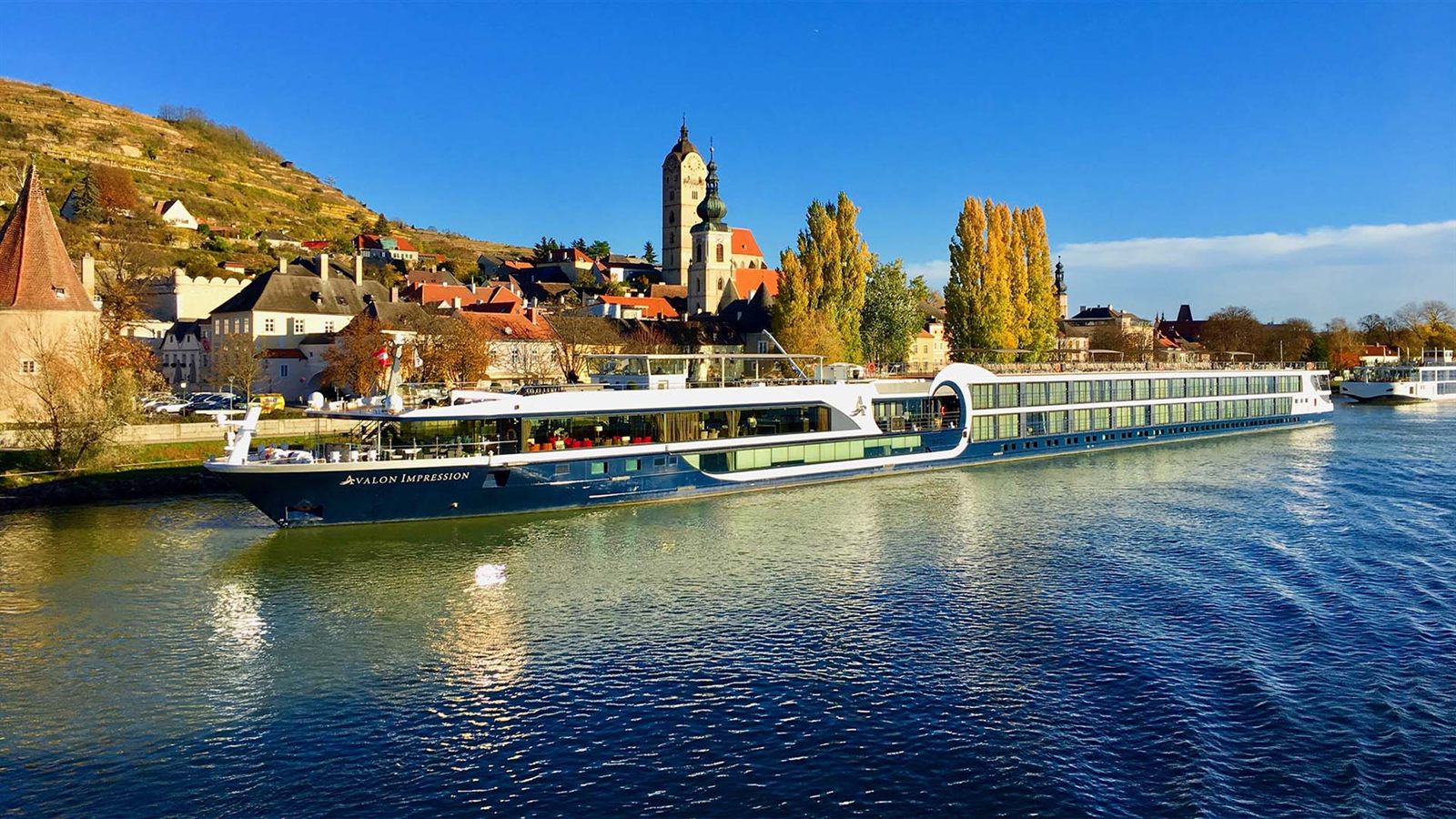
People who would never worry about a hotel stay sometimes hesitate before booking a river cruise. They picture a ship, water and distance from help. The reality on a European or American river is very different: a vessel about the size of a small hotel, gliding past fields and villages, with the riverbank in view from your window and a town waiting at almost every bend. River Cruising Is Safe explains, step by step, why the format itself keeps risk low, and what to plan for so nothing catches you off guard.
We keep to what can be checked. Where an official body sets the rules — the European inland-navigation standards, the Rhine commission, the U.S. Coast Guard, the CDC — we say what they cover and link to them. Where the answer depends on a particular line or ship, we tell you that too, rather than guessing.
Five reasons the format is low-risk
- Land on both sides. A river is a corridor, not an ocean. Roads, rail lines and villages run along most cruising rivers.
- Small vessels. Locks and bridges cap the size of European river ships, so guest numbers stay modest and the crew gets to know everyone.
- Town-center docking. Ships usually tie up at a quay or landing within walking or short driving distance of the old town.
- Flat water. No ocean swell and no open-sea crossings, so motion sickness is rarely an issue.
- Short hops. Many days are a few hours of sailing between neighbouring towns, often overnight.
Explore the Guide
Low-Risk by Design
Folding wheelhouses, lock-sized hulls, inland certificates and the Rhine rulebook — the engineering and regulation behind a calm river day.
River Levels
How gauges such as Kaub on the Rhine are read, why bridges matter as much as depth, and what a ship exchange or coach day feels like.
Health on Board
What medical help a river ship can offer, where the CDC inspection program does and does not apply, and how to travel with medication.
Gangways & Mobility
Gangways that change angle with the water, ships moored side by side, stair lifts, walking tours and how to plan around them.
Port-Town Safety
Cycle lanes, tram tracks, cobblestones, crowds at Christmas markets and finding your ship again when it moves berth.
Travel Insurance
Which policy features matter on a river trip, from medical cover abroad to itinerary changes caused by the river.
U.S. River Cruising
Mississippi, Columbia and Snake rivers: U.S.-flagged riverboats, Coast Guard inspection and staying close to American hospitals.
What a Normal River Day Looks Like
It helps to picture the routine, because the routine is where most of the safety lives. In the morning the ship is usually already tied up. A crew member stands at the gangway, scans your cabin card as you step off, and scans it again when you come back, so the purser knows exactly who is ashore. Guided walks leave from the quay with a local guide and a small group, often with a radio headset so you can hear without bunching up. Lunch may be on board while the ship sails on to the next stop, and the captain watches the river, the locks and the bridges from a wheelhouse a few decks above you.
In the evening the ship may sail on through the night or stay alongside in town. Either way, the bank is close and the next landing is a few hours away at most. If someone needs a doctor, a pharmacy or a hospital, the answer is usually the next town, reached by road if necessary — not a long wait at sea.
| Situation | On the ocean | On a river |
|---|---|---|
| Distance to land | Can be hundreds of miles | Usually within sight of the bank |
| Motion | Swell and wind can rock the ship | Flat water; locks are the main bump |
| Getting medical help ashore | Next port or a diversion | Often the next town, reachable by road |
| When conditions change | Ship reroutes around weather | Line may use coaches, swap ships or adjust the route |
The Honest Caveats
Low-risk is not no-risk. River trips have their own quirks, and knowing them is what makes the experience relaxed. Water levels can rise after heavy rain or fall after a dry summer, and a line may change your plans at short notice. Most European river ships do not carry a ship’s doctor the way a big ocean ship does. Gangways can be steep when the river is high or low, and old towns are full of steps and uneven paving. None of this is a reason to stay home; it is a reason to read the line’s policies, buy sensible insurance and choose an itinerary that suits your pace. For a deeper look at those everyday practicalities, our sister site River Cruising Safety offers a printable checklist, and Cruising Is Safe covers the ocean-ship side of the same questions.
Looking further afield? Expedition-style rivers in Asia, Africa and South America are wonderful but more remote, so medical evacuation cover matters even more. Asia River Cruises and European Riverboat Cruises cover those regions and Europe in depth, and the Official River Cruise Directory lists river sites across our network.
Who Is Behind This Site
River Cruising Is Safe is part of the Smart Traveler network, led by Mister Cruise. He has sold travel since 1972 and worked full-time in the industry since 1977. He has sold or originated more than $500 million in cruises and has trained more than 500 travel agents.
If something on your mind is stopping you from booking — a health condition, a mobility question, or a river that has been in the news — tell us. Our cruise advisors at Mister Cruise will check the details for the exact ship and date before you commit. Meet Mister Cruise →
River Cruise Safety: Quick Answers
Is river cruising safe?
For most travelers it is one of the lowest-stress ways to travel. The ship sails on sheltered inland water, the shore is never far away, the vessel is small and it ties up in or near a town most days. The things that do affect river trips — water levels, everyday health needs, steps and cobblestones — are practical matters you can plan for.
Do river cruise ships get seasick-type motion?
Very little. Rivers have no ocean swell, so most guests feel almost no movement. The odd bump as the ship enters a lock is about as dramatic as it gets.
Who checks that a European river ship is safe?
River ships in the EU need an inland navigation certificate based on Directive (EU) 2016/1629, whose technical requirements refer to the ES-TRIN standard drawn up by CESNI. On the Rhine, the Central Commission for the Navigation of the Rhine maintains its own vessel inspection and crew regulations. The ship’s flag state and inspection bodies apply these rules.
What if the river is too high or too low?
The line adapts the trip. Depending on the situation that can mean a coach between two towns, an exchange of guests between two ships, a changed route, or, rarely, a cancellation. Each line has its own policy, so read it before you book.
Book a River Cruise With Confidence
Tell us your river, your dates and anything you are unsure about. Our cruise advisors at Mister Cruise will suggest ships and itineraries that fit, explain the line’s policies, and send free quotes.
Get Free River Cruise Quotes