U.S. River Cruising: Safe Close to Home
American rivers, American flags and American hospitals along the way.
Get Free River Cruise QuotesFor many American travelers, the most reassuring river cruise of all is the one closest to home: no foreign hospitals, no currency, no language barrier.
Who Sails America’s Rivers
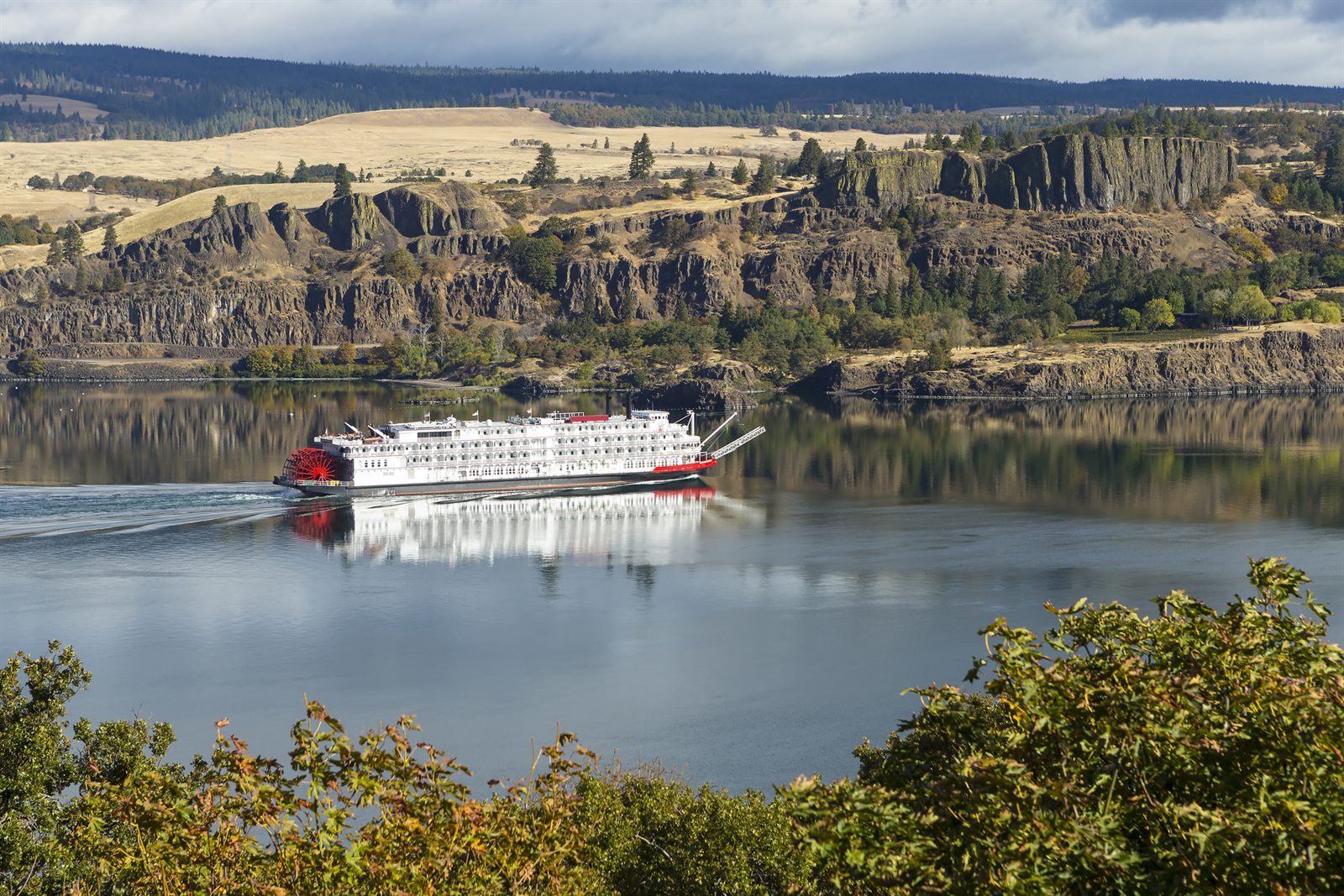
Domestic river cruising runs mainly on the Mississippi and its tributaries — including the Ohio, Cumberland and Tennessee — and on the Columbia and Snake rivers in the Pacific Northwest, with shorter seasons on the Hudson and other waterways. Ships range from modern riverboats to vessels styled after classic paddlewheelers. Seasons, routes and new ships change year to year, so check current deployments with your advisor.
U.S. flag, Coast Guard inspection
Federal law reserves passenger trips between American ports for U.S.-flagged vessels, so domestic river cruises are operated with American-flagged ships. Passenger vessels carrying more than six paying passengers must hold a U.S. Coast Guard Certificate of Inspection, issued after a satisfactory inspection by a Coast Guard marine inspector and stating how many passengers the vessel may carry. The crew in the wheelhouse hold Coast Guard credentials.
Health Care Stays Familiar
On a domestic river, the hospital in the next town takes your U.S. insurance card, the pharmacy can often fill a prescription from home, and the emergency number is 911. That makes U.S. river cruising a natural choice for travelers with health conditions, or for a first river cruise before trying Europe. One point surprises people: because a Mississippi or Columbia sailing is not a foreign itinerary, it sits outside the CDC Vessel Sanitation Program. Safety and sanitation are still regulated — the vessel is Coast Guard-inspected and the line runs its own hygiene program — but you will not find these ships in the CDC’s inspection scores.

What Is Different From Europe
| U.S. rivers | European rivers | |
|---|---|---|
| Flag and inspection | U.S. flag; Coast Guard Certificate of Inspection | National certificates under EU inland rules; Rhine regulations on the Rhine |
| Medical care ashore | U.S. hospitals; 911 | Local hospitals; 112 across the EU |
| Documents | Photo ID for a domestic trip | Passport, with entry rules for each country |
| Distances between stops | Can be longer, with more time sailing | Often short hops between neighbouring towns |
| Weather and water | Spring floods and summer heat on the Mississippi | Low water after dry summers; high water after rain |
River levels matter in America too: the Mississippi can run high in spring and low in late summer and autumn, and lines adapt in similar ways to those described on our river levels page. For itineraries, towns and seasons, our sister sites US River Cruising, Mississippi Riverboat Cruises and Columbia River Cruises go into much more detail.
U.S. River Cruise Questions
Why are U.S. river cruise ships American-flagged?
Federal law reserves passenger transport between U.S. ports for U.S.-flagged vessels. A cruise that sails from one American river town to another is domestic, so it is operated with U.S.-flagged riverboats.
Is a U.S. river cruise covered by the CDC Vessel Sanitation Program?
The program covers ships carrying 13 or more passengers on foreign itineraries with U.S. ports. A purely domestic river itinerary is not a foreign itinerary, so it falls outside that program. The ship is still inspected by the U.S. Coast Guard.
Do I need a passport for a Mississippi or Columbia River cruise?
A domestic itinerary does not leave the United States, but you will still need acceptable government-issued photo ID to fly and to board. Check your line’s document requirements.
Cruise an American River
Mississippi, Columbia and Snake, Ohio or Hudson — our cruise advisors at Mister Cruise will match the river and the ship to you and send free quotes.
Get Free River Cruise Quotes